
Stress Is Not the Enemy. Chronic Stress Is.
2026-01-14
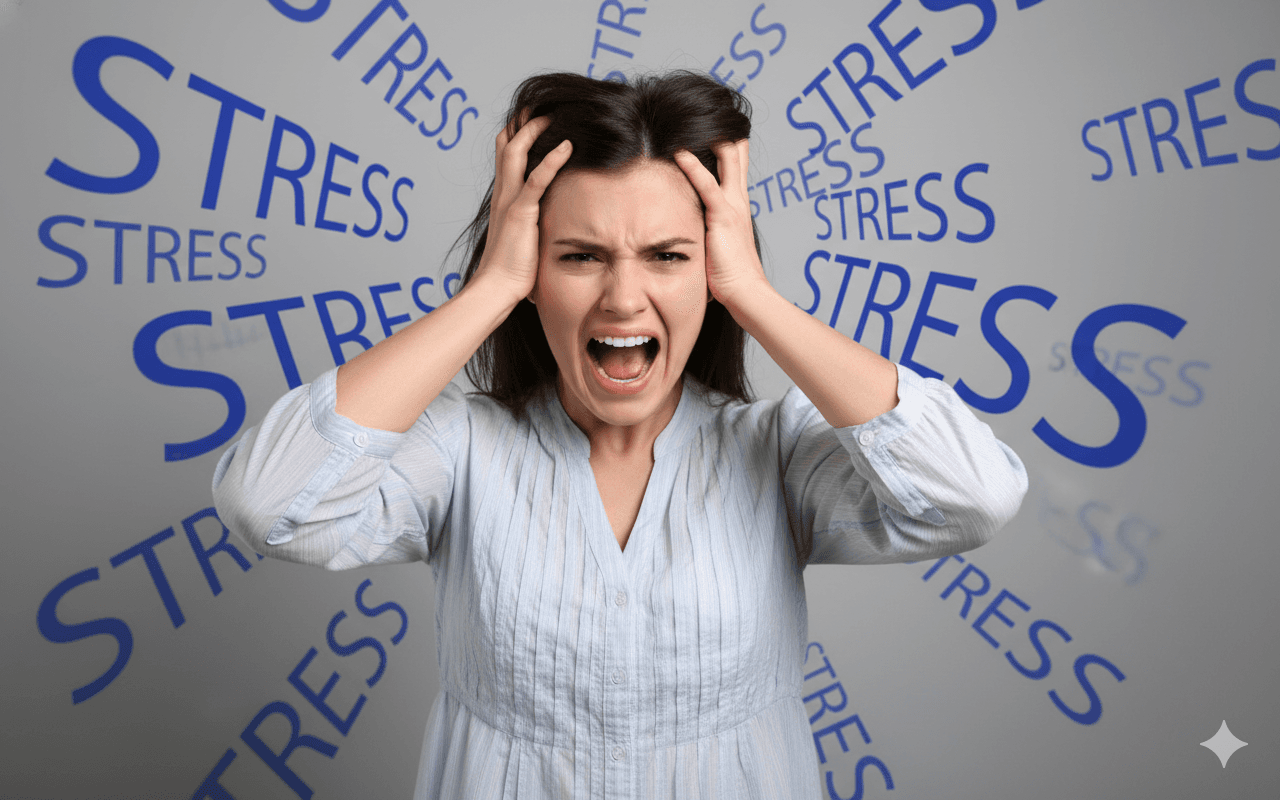
Stress is not the enemy. Chronic stress is.
Stress has a bad reputation, but not all stress is harmful. In fact, some stress is necessary for performance, learning, and survival.
The real problem is not stress itself. It is unmanaged, long-term stress. Understanding the difference matters more than trying to eliminate stress entirely.
Short-term stress can be helpful
Short bursts of stress sharpen focus and increase alertness. This is called acute stress.
Examples include:
- Preparing for a presentation
- Exercising intensely
- Reacting quickly to danger
In these moments, stress hormones like cortisol and adrenaline temporarily improve attention and energy. This is why deadlines sometimes make you more productive.
The issue begins when stress never turns off.
Chronic stress harms memory
When stress becomes constant, cortisol stays elevated. High cortisol over long periods damages the hippocampus, the part of the brain responsible for memory and learning.
Effects of chronic stress include:
- Difficulty concentrating
- Weaker memory formation
- Increased mental fatigue
This is why people under constant stress often feel mentally slow, even if they are working harder.
Breathing directly affects stress levels
Breathing is one of the fastest ways to influence your nervous system.
Shallow, rapid breathing signals danger to the brain and increases stress. Slow, deep breathing does the opposite.
Especially effective is longer exhalation than inhalation. It activates the parasympathetic nervous system, which lowers heart rate and reduces cortisol.
This is not a mindset trick. It is physiology.
Exercise reduces cortisol over time
Exercise temporarily increases cortisol, but consistently lowers baseline stress levels.
Regular movement:
- Improves cortisol regulation
- Increases stress resilience
- Improves mood and sleep quality
The key is consistency, not intensity. Even walking has measurable effects on stress hormones.
Sleep lowers stress sensitivity
Sleep does not just reduce stress. It changes how sensitive you are to stress.
When sleep-deprived:
- Cortisol spikes faster
- Emotional reactions are stronger
- Small problems feel overwhelming
Quality sleep restores emotional regulation and keeps stress responses proportional to reality.
The goal is not zero stress
A stress-free life is neither possible nor desirable.
The goal is:
- Short-term stress that turns off
- Recovery through sleep, movement, and breathing
- Avoiding chronic, unresolved stress
Stress becomes dangerous only when it becomes permanent.